
The weekend field guide
Train swap meet etiquette for buyers and sellers
Simple habits that make a train swap meet pleasant for buyers and sellers: asking before you handle, fair haggling, clear aisles, tidy tables and packing up.
At a train swap meet, ask before you handle, keep your haggling polite, keep the aisles clear and leave a table as tidy as you found it. Those four habits cover most of what experienced hobbyists mean by good manners, and they make the day easier for everyone from first-time visitors to long-time dealers.
This guide covers manners for buyers and for sellers, including how to handle fragile equipment, how to ask about price, what to do about testing, how to behave around children and pets, and how to wrap up. Rules vary by organizer and venue, so follow any posted rules and ask the organizer if you are unsure.
Ask before you handle
Trains can be fragile. Small parts break, paint chips and old plastic becomes brittle. Ask before picking something up, hold items by the body rather than by details such as handrails or couplers, and return them to where you found them. If you need to see the underside, ask the seller to show you.
Never run an item on a seller's track unless invited. Do not open a box without asking, and if a seller opens a box for you, hold the contents over the table, not over the floor. If you break something, tell the seller immediately. Most will appreciate your honesty, and many will work out something fair.
Be fair when you ask about price
Most swap meets expect some friendly negotiation, but there are better and worse ways to do it. Ask a question first, such as whether the price is firm, or whether the seller would take a lower price for several items. Make a reasonable offer. If the seller declines, thank them and move on.
Avoid commenting on prices to others within earshot of the seller. Do not pick through boxes of items in a way that leaves them in disorder, and do not take items out of a lot and then walk away. If you decide not to buy, put everything back. Remember that sellers have paid for their table, their time and their stock.
Bundling at a swap meet
Buying several related items from one table, such as track, a power pack and a few cars, is the natural time to ask about a combined price. Add up what you want first and then ask once.
Testing and trust
If you want to test a locomotive, ask the seller, and ask the organizer whether the show provides a test track. Many do. Use the equipment gently, follow the seller's directions and do not run a locomotive faster than it should go. If a seller has a test setup of their own, let them operate it unless they ask you to.
If a locomotive does not run, ask whether the seller knows why. Sometimes it is a matter of cleaning or a loose wire. Sellers who describe problems honestly deserve your goodwill, and a candid answer is better than a guess.
Keep aisles clear and be considerate of space
Swap meets are crowded. Step aside to look at items, keep bags, carts and strollers out of walkways and do not block a table while you decide. Make room for others who want to see the same items. If you are carrying a large purchase, hold it close and watch for other people's elbows and tables.
If you bring a child, keep them with you and teach them to ask before touching. Dogs and other animals may not be allowed. Check the organizer's rules and the venue's policy before you bring one.
Sellers: label, tidy and stay in your space
Price tags, scale labels and tidy boxes help everyone. Keep your belongings within your table space, and do not set up in the aisle. If you leave your table, ask a neighbor to watch it, or ask the organizer if there is a policy.
Be honest in your descriptions, and tell buyers about problems you know of. Greet visitors, but let them browse. Keep your phone and your coffee off the merchandise. At the end of the day, clean your area and take your trash with you. Our guide on selling at a train show goes into more detail on stock, pricing and condition.
Haggling stories and common sense
Many hobbyists have a story about a bargain or a misunderstanding. The common thread is that the best deals happen between people who respect each other. If you find an item priced too low, a fair buyer mentions it, and many sellers remember that. If you find an item priced high, you can decline without comment. If you are selling and a buyer spots a flaw you missed, thank them and adjust the price.
Keep a sense of proportion. A swap meet is a pleasant way to spend a day, and the main prize is often what you learn and the people you meet. Do not hold up a line over a small sum, and do not argue with a seller who has made their position clear.
Thank the organizer
Swap meets run on volunteer effort. Thank the people who set up tables, run the door and keep the hall clean. If you notice a problem, let the organizer know in a friendly way. A wrong detail on a listing can be reported through its correction link. You can see how we verify listings, and browse shows by state when you are ready for the next one.
Frequently asked questions
Can I test a locomotive at a swap meet?
Ask the seller and the organizer. Many shows offer a test track, and many sellers bring a small test setup.
Is haggling expected?
Practice varies. A polite question or offer is fine, and a no should be accepted gracefully.
Can children handle items?
Ask the seller first and keep a close eye on them. Many items are fragile.
Can I bring my own items to trade?
Rules vary. Ask the organizer before you bring items to sell or trade.
Are pets allowed?
That depends on the venue and the organizer's rules. Check before you bring an animal.
How do I report a problem?
Tell the organizer. For a listing issue, use the correction link on the listing.
Put your plan into motion
Find your next show.
Use the listing's official source to confirm the latest dates, public hours and entry rules.
Find shows in this directoryKeep planning
More useful guides
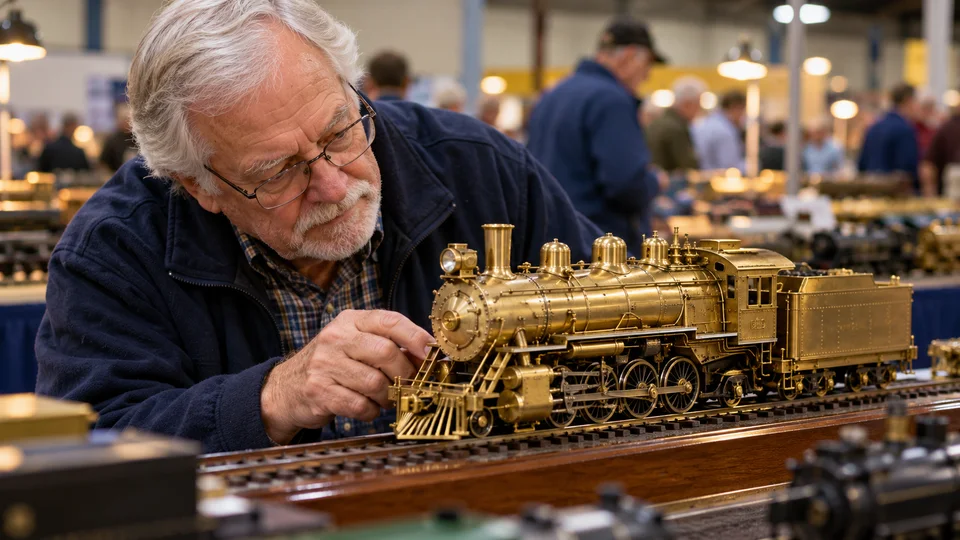
Planning your first show: a visitor checklist
Choose a show that suits your interests, confirm the practical details and keep the organizer’s information handy before you travel.
Read guide : Planning your first show: a visitor checklist
Preparing to sell at a model train show: a seller checklist
Confirm your seller application, table equipment, setup time and organizer terms before booking a place at a model train show.
Read guide : Preparing to sell at a model train show: a seller checklist
Selling at a train show: a table-holder guide
How to sell at a model train show: confirm table terms, sort stock by scale, describe condition honestly, test items and price for modelers and collectors.
Read guide : Selling at a train show: a table-holder guide
Model train scales and gauges explained
A plain-language guide to model train scales and gauges, why they matter at a train show, how to tell them apart and how to avoid buying the wrong size.
Read guide : Model train scales and gauges explained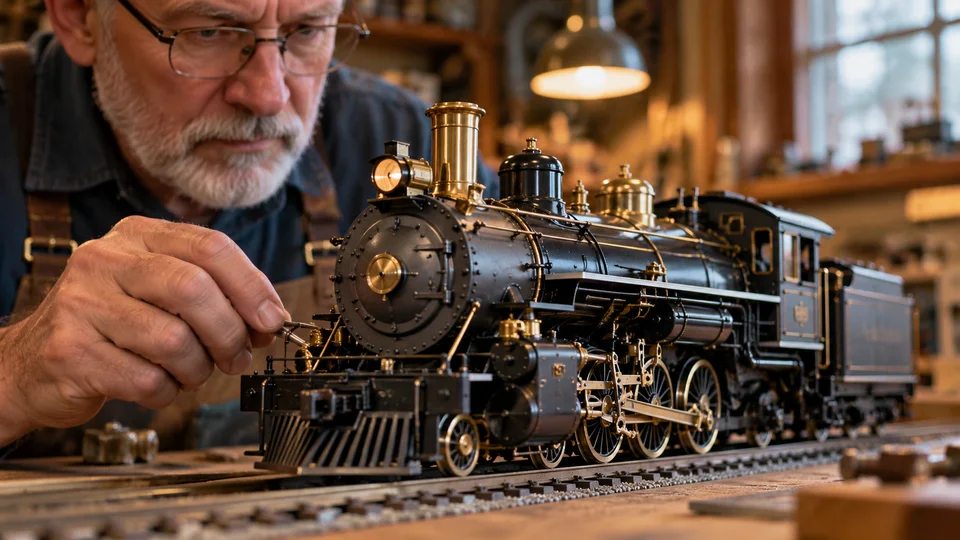
Train clubs and associations: how they fit with train shows
How model railroad clubs and train collector groups use train shows, what visitors can learn from them and what to ask before you join or visit a layout.
Read guide : Train clubs and associations: how they fit with train shows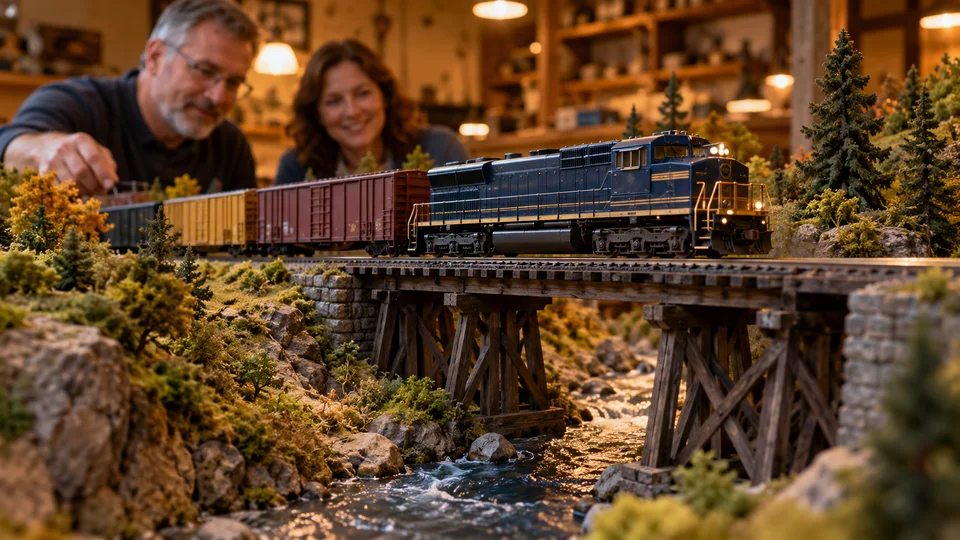
How to read a train show listing
What each part of a train show listing tells you, from dates and hours to venue, admission and source link, and what to confirm with the organizer before you go.
Read guide : How to read a train show listing