
The weekend field guide
Selling at a train show: a table-holder guide
How to sell at a model train show: confirm table terms, sort stock by scale, describe condition honestly, test items and price for modelers and collectors.
To sell well at a model train show, confirm the table terms with the organizer, sort your stock by scale and type, describe condition honestly, bring a way to test locomotives, and price for the buyers who actually attend. Train show buyers are knowledgeable and specific. They arrive with a want list, and they reward sellers who make it easy to find what they need.
This guide is for first-time and occasional table holders selling model railroad equipment, toy trains, parts, scenery, books or related items. It covers who comes to train shows, what to ask the organizer, how to arrange a table, how to describe condition, how to handle testing and returns, and how to wrap up at the end of the day. It is general information, not legal advice. Check the organizer's rules for what you may sell, and any requirements that apply to your sales.
Know who comes to a train show
Train shows draw several kinds of visitor, and they shop differently. Modelers who run layouts look for locomotives, rolling stock, track, power supplies, structures and scenery in the scale they run, and they often hunt for a specific missing piece. Collectors of older toy trains look for particular makers, eras and boxed sets, and they care about originality. Newcomers, often parents and grandparents shopping for a child or reviving a childhood hobby, look for starter sets and advice. Others come to watch layouts and talk.
Decide who your stock suits and arrange the table so that each kind of buyer can find it. A seller with a mix of goods can divide the table by purpose: a starter-set corner, a parts and supplies section and a collectible shelf.
Contact the organizer first
Use the organizer contact on the listing, or the organizer's own website that the listing links to, to ask how tables are assigned and what they include. Useful questions are the table size, whether a cloth or chairs come with it, how power works if you need it for testing, when you may set up, when the public arrives and when you must leave, and what the cancellation terms are.
Ask what the show allows you to sell. Some shows limit certain kinds of goods, such as unrelated collectibles, and some are for model railroading only. Some have rules about modern reproductions, kits or items that need power. Keep the organizer's reply. A short, friendly question before you pay is better than a surprise on setup day. Browse the organizer pages to see who runs events near you.
Organize by scale and by type
Buyers who know exactly what they need want to find it fast. Group items first by scale or gauge, then by type: locomotives, passenger cars, freight cars, track, power, scenery and accessories. Use shallow trays or low boxes so people can see the contents without digging through a pile. Label each box clearly with scale, type and, if relevant, era or railroad.
Keep small parts in small containers, with a label on the lid that explains what is inside. Put your best pieces at eye level, and keep boxed items upright where the box art is visible. Collectors often judge a piece by its box, so protect boxes from damp and crushing.
A simple table layout
Place a clear sign naming the scales you carry at the front. Put attractive, easily understood items in front, such as complete sets and clean locomotives. Place bulk lots and low-priced items on the side. Leave space for people to stop without blocking the aisle.
Describe condition honestly
Condition language is the heart of train selling. Say whether an item is boxed, whether it has been run, and whether it has been repaired, repainted or modified. Say if parts are missing, replaced or non-original. A short tag with a plain description works better than a long story.
Common terms include new and unused, like new, excellent, good, fair and for parts or repair. Use them consistently and explain them if a buyer asks. For toy trains, original paint, original parts and original boxes affect collector interest, so describe them accurately. For models, mention couplers, wheels, decoder or control system if you know it, and any known issues. Do not guess. If you are not sure, say you are not sure. A buyer who trusts your description will often come back to your table next year.
Testing, returns and trust
Many buyers want to see an item run before they pay. Ask the organizer whether the show provides power at tables or has a test track, and bring a small test setup if allowed. A basic oval of track, a power supply and a few spare wires cover most needs. Offer to test any locomotive on request and be honest about what you see.
Decide your return terms in advance and write them on a small sign. Some sellers offer no returns on sale items and a short window for working items. Whatever you decide, be consistent. Keep a notebook of sales with the date, the item and the price, and give a receipt on larger purchases. Sales tax and seller registration rules vary by location. The organizer can tell you what the show expects, and your local authorities can tell you what the law requires. This is general information, not legal advice.
Pricing and negotiating
Price before the show. Walk the room if you can before the public arrives to see how comparable items are priced, and decide whether you want to sell quickly or hold for the right buyer. Tag the items, since buyers are more comfortable when they do not have to ask. Decide how much room you have to bargain and whether you will bundle items.
Bundles work well with starter sets, track and accessories. A buyer who needs a transformer, track and a few cars will often appreciate a single price. Be polite when someone makes an offer, even if you decline. Prices are a conversation in this hobby. Accept the occasional low offer on slow items near the end of the day if you would rather not carry them home.
Wrap up and follow up
Pack carefully at the end. Keep boxes flat and dry, and carry locomotives in padded containers. Count what is left and note what sold, what drew questions and what you wish you had brought. That list guides your next table and your next buying trip.
Collect names of people who asked for items you did not have. Many train sales happen after the show. When you are ready for another event, use the state pages to find upcoming shows, and compare the organizers' terms. Our general checklist for preparing to sell covers more of the basics.
Frequently asked questions
How do I reserve a table at a train show?
Use the organizer contact on the show listing or the organizer's own website, and ask how tables are assigned and what they include.
Should I test items at the show?
Ask whether power is available at tables or a test track is provided. Many sellers bring a small test setup if the organizer allows it.
What sells best at a train show?
It varies by show and by region. Ask the organizer about the usual audience, and look at what is already sold on the floor.
Can I sell at a swap meet as well?
Yes, if the organizer's terms allow it. Read each organizer's terms, since rules on what you may sell differ.
Do I need to charge sales tax?
Requirements differ by place. Ask the organizer and your local authorities. We cannot say what applies to you.
Does a listing mean the show is endorsed?
No. It means the show is in the directory with a cited source.
Put your plan into motion
Find your next show.
Use the listing's official source to confirm the latest dates, public hours and entry rules.
Find shows in this directoryKeep planning
More useful guides
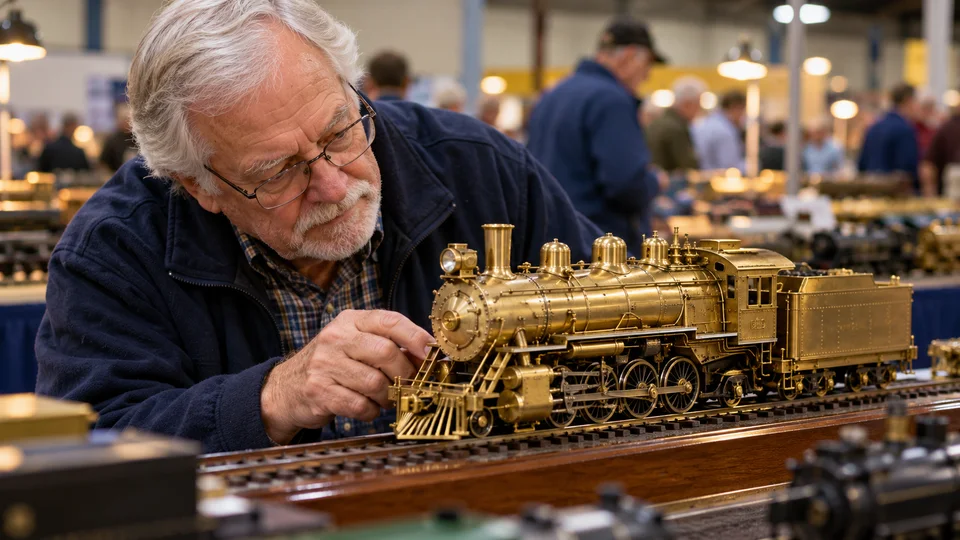
Planning your first show: a visitor checklist
Choose a show that suits your interests, confirm the practical details and keep the organizer’s information handy before you travel.
Read guide : Planning your first show: a visitor checklist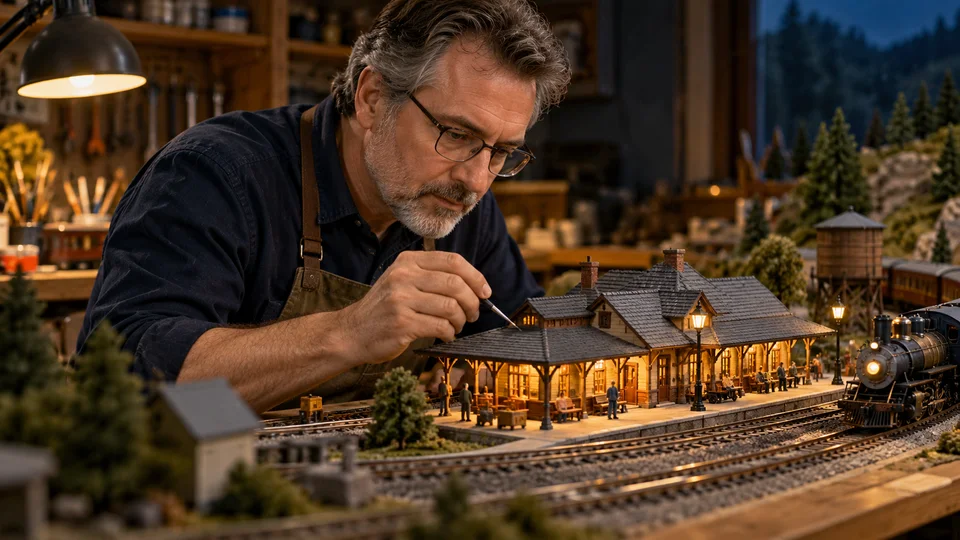
Preparing to sell at a model train show: a seller checklist
Confirm your seller application, table equipment, setup time and organizer terms before booking a place at a model train show.
Read guide : Preparing to sell at a model train show: a seller checklist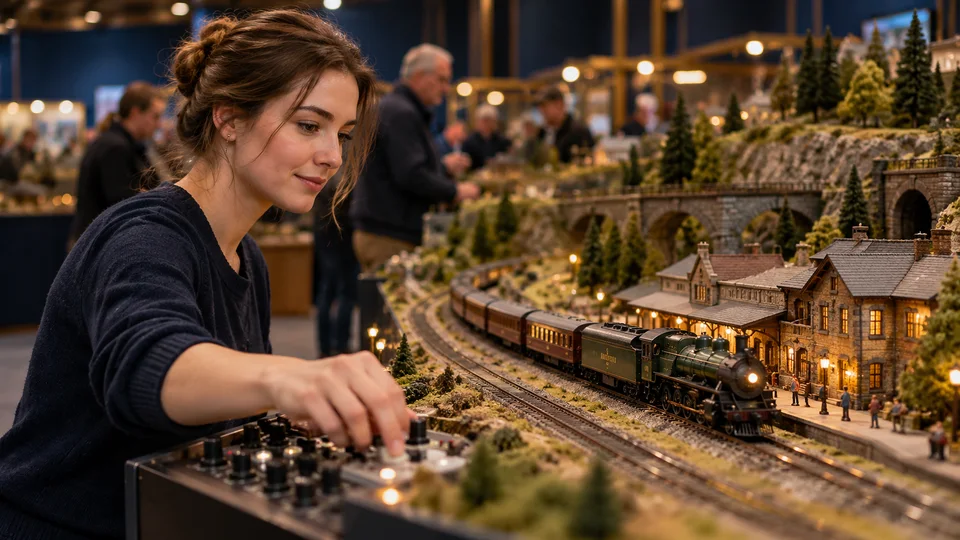
Model train scales and gauges explained
A plain-language guide to model train scales and gauges, why they matter at a train show, how to tell them apart and how to avoid buying the wrong size.
Read guide : Model train scales and gauges explained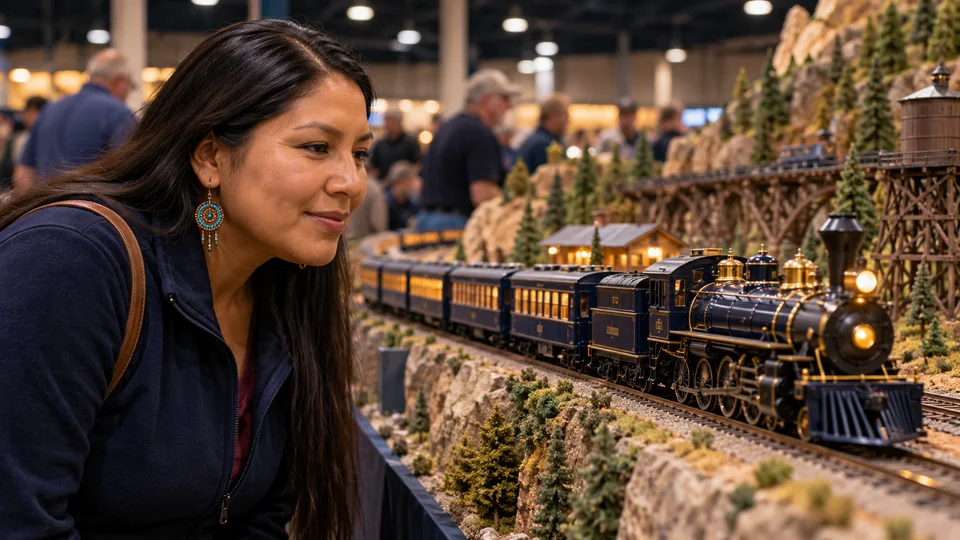
Train clubs and associations: how they fit with train shows
How model railroad clubs and train collector groups use train shows, what visitors can learn from them and what to ask before you join or visit a layout.
Read guide : Train clubs and associations: how they fit with train shows
Train swap meet etiquette for buyers and sellers
Simple habits that make a train swap meet pleasant for buyers and sellers: asking before you handle, fair haggling, clear aisles, tidy tables and packing up.
Read guide : Train swap meet etiquette for buyers and sellers
How to read a train show listing
What each part of a train show listing tells you, from dates and hours to venue, admission and source link, and what to confirm with the organizer before you go.
Read guide : How to read a train show listing