
The weekend field guide
Train clubs and associations: how they fit with train shows
How model railroad clubs and train collector groups use train shows, what visitors can learn from them and what to ask before you join or visit a layout.
Model railroad clubs and train collector groups often run, host or exhibit at train shows, and they are one of the best ways for a newcomer to learn. Walk up to a club layout, ask a question about what you are seeing, and you will usually find someone happy to explain. Joining is optional, but visiting and asking is always worthwhile.
This guide explains how clubs and groups differ, what they do at shows, what to ask them, what to consider before you join and how to find events through the directory. We list events and organizers and do not endorse any club. Each club speaks for itself on its own website, which you should check for current details.
What clubs do at a train show
Many train shows are organized by clubs, as fundraisers or as a way to share the hobby with the public. Even when a show is run by someone else, clubs often bring layouts or modules, operate them during the day and answer questions from visitors. Some clubs sell items at the show, run raffles or offer free literature and tips.
A club layout is a good place to see what is possible. You can watch trains operate on a scale you may not have seen before, see how scenery is built and watch how people handle wiring, control and operation. Ask permission before touching anything, keep children back from the edge and thank the operators when you leave.
Collector groups and modeling groups
Some groups focus on collecting older toy trains. Their interests include maker histories, variations, condition and originality, and they often run meets where members buy, sell and trade. Others focus on building realistic models and layouts, with interests in prototype research, scenery, electronics and operation.
Many people belong to both kinds of group, and the line between them is not sharp. Read what each group says about itself on its own website, and look at who attends their events. You will quickly get a sense of whether the group is right for you. This directory lists shows and organizers and does not rank or endorse groups.
Questions that show which group fits you
Ask whether the group meets in person, whether it publishes a newsletter, whether it holds its own shows and whether newcomers can come as guests. The answers usually make clear whether the group leans toward collecting, building or both.
What to ask a club
Clubs are used to questions, and a few good ones help you decide whether to visit again. Ask how the club began and how long it has been around. Ask what scales its members run and what kind of layout they have. Ask whether visitors can see the layout outside show days, whether there are open houses and whether guests are welcome at meetings.
If you are thinking about joining, ask how new members are welcomed, what they are expected to contribute and whether there are classes or clinics for beginners. Ask what the club does at shows and in the community. A club with a clear answer to these questions is usually well organized.
Before you join
Dues, benefits and expectations differ from club to club. Some clubs charge modest dues and offer meeting space, a layout and a newsletter. Others may include insurance, library access or discounts at events. Ask the club for its current terms in writing and read them before you pay.
Think about how much time you can give. Clubs run on volunteer effort, and many members find that the real value is in the friendships and shared projects. If you are mostly interested in collecting, look for a group that fits that. If you want to build, look for one that has a layout. And if you are unsure, attend a meeting or two as a guest before you commit.
Visiting a layout well
Club layouts are built by volunteers over many months or years, and a little courtesy goes a long way. Stay behind any barrier, keep your hands to yourself, and avoid leaning over scenery. Ask operators about the layout when they are not busy running trains, and let them finish a moment of operation before you interrupt. Many clubs enjoy questions about how a feature was built, what the track plan represents or how trains are controlled.
Photographs are usually welcome, but ask if you are unsure, and avoid flash near delicate scenery. If you want to bring a group, such as a scout troop or school class, contact the organizer before the day so the club can plan. Children are often the best audience for a club, and clubs often find that a curious child becomes a member years later.
Clubs and the swap meet
Clubs often host swap meets, where members and visitors buy, sell and trade. These are good places to find parts, learn prices and meet other hobbyists. Ask the organizer how sellers register, what a table costs and what you may bring. Our guide on swap meet etiquette explains how to behave as a buyer or a seller.
Finding events and organizers
Use the state pages to find shows near you and the organizer pages to see who runs them. Open the source link on a listing to see the organizer's own description, which often includes contact details. If you run a club and your event is missing, you can submit a show and our operator will review it.
Frequently asked questions
Do I need to join a club to attend a train show?
Usually not. Check each listing and the organizer's page for admission details.
Can clubs help me get started?
Many are glad to help newcomers. Ask politely, and respect the time of the people running the layout.
How do I contact a club?
Use the contact on the organizer page or the club's own website.
Do clubs sell items at shows?
Some do, for fundraising or as part of a swap meet. Ask the organizer about the rules for sellers.
Are clubs listed in this directory?
The directory lists organizers where a source is available. Listing does not mean endorsement.
Can children visit club layouts?
Usually yes, and many clubs enjoy it. Keep children back from the edges and ask the operators about any rules.
Put your plan into motion
Find your next show.
Use the listing's official source to confirm the latest dates, public hours and entry rules.
Find shows in this directoryKeep planning
More useful guides
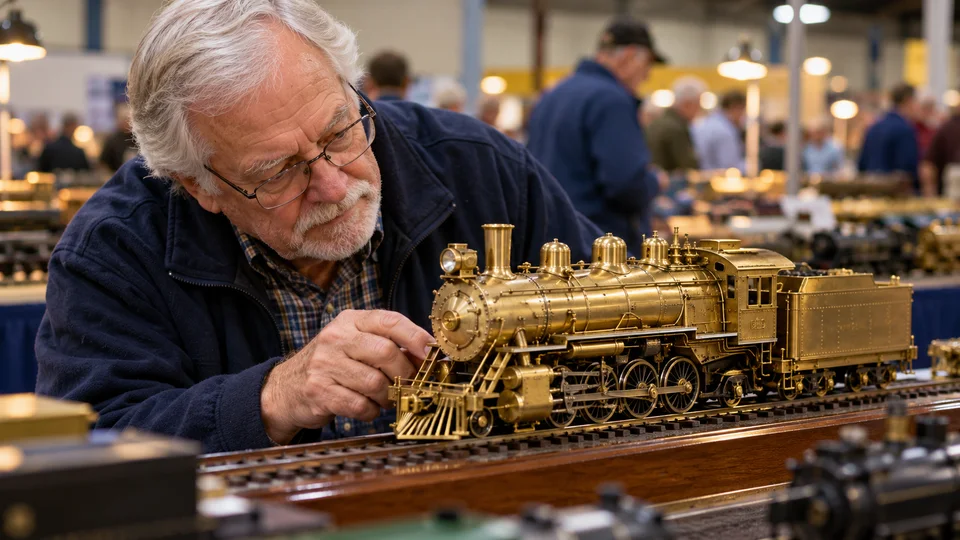
Planning your first show: a visitor checklist
Choose a show that suits your interests, confirm the practical details and keep the organizer’s information handy before you travel.
Read guide : Planning your first show: a visitor checklist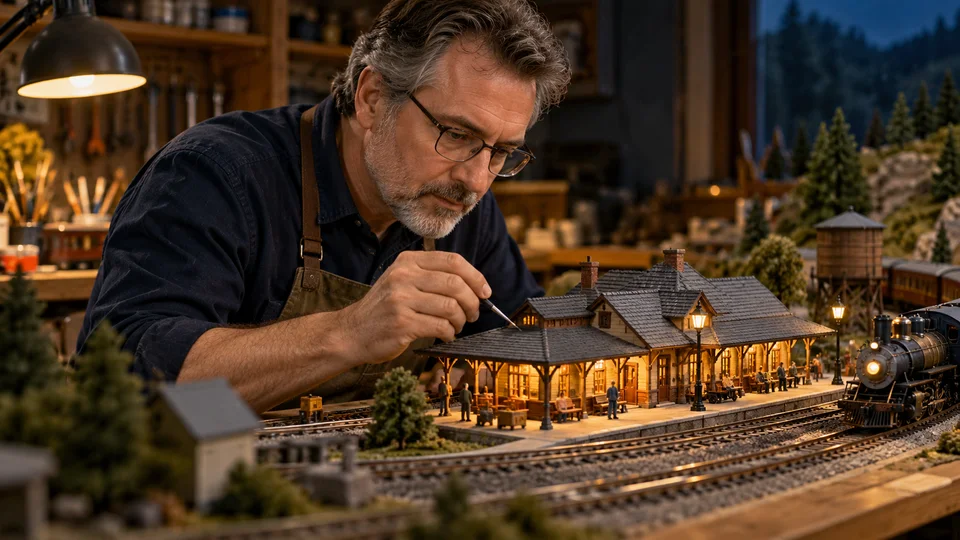
Preparing to sell at a model train show: a seller checklist
Confirm your seller application, table equipment, setup time and organizer terms before booking a place at a model train show.
Read guide : Preparing to sell at a model train show: a seller checklist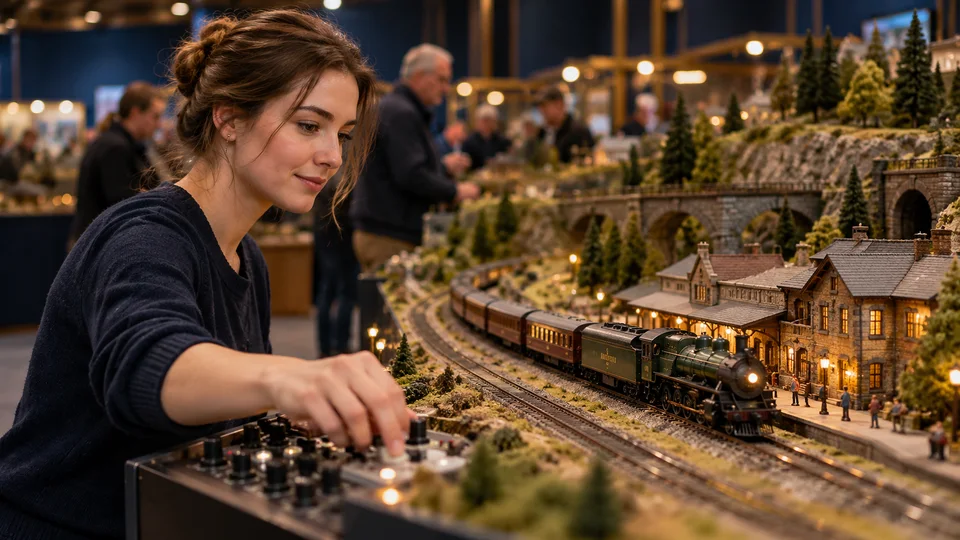
Selling at a train show: a table-holder guide
How to sell at a model train show: confirm table terms, sort stock by scale, describe condition honestly, test items and price for modelers and collectors.
Read guide : Selling at a train show: a table-holder guide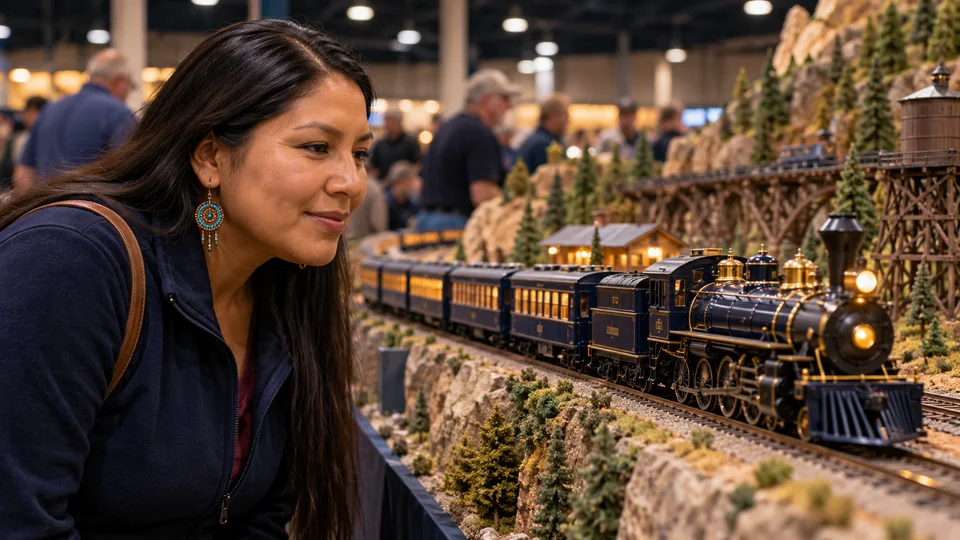
Model train scales and gauges explained
A plain-language guide to model train scales and gauges, why they matter at a train show, how to tell them apart and how to avoid buying the wrong size.
Read guide : Model train scales and gauges explained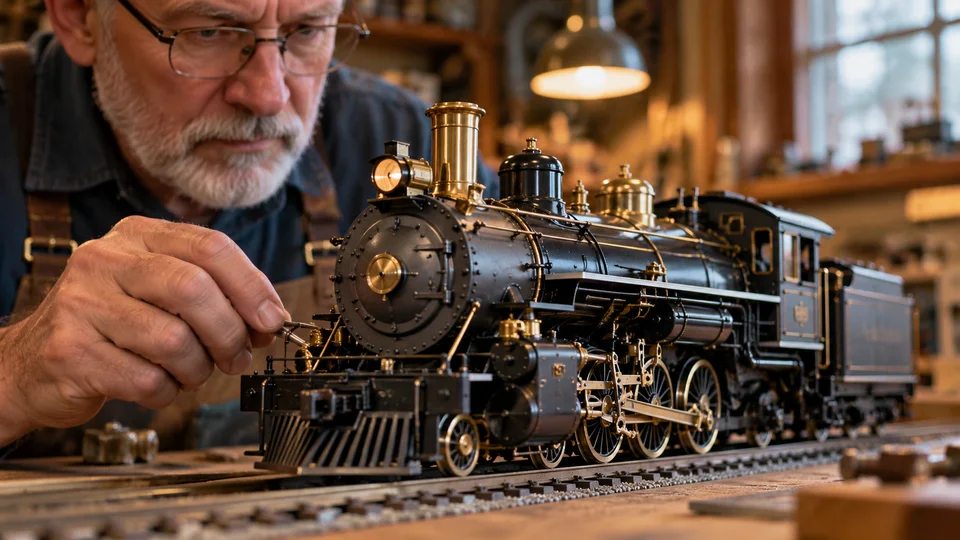
Train swap meet etiquette for buyers and sellers
Simple habits that make a train swap meet pleasant for buyers and sellers: asking before you handle, fair haggling, clear aisles, tidy tables and packing up.
Read guide : Train swap meet etiquette for buyers and sellers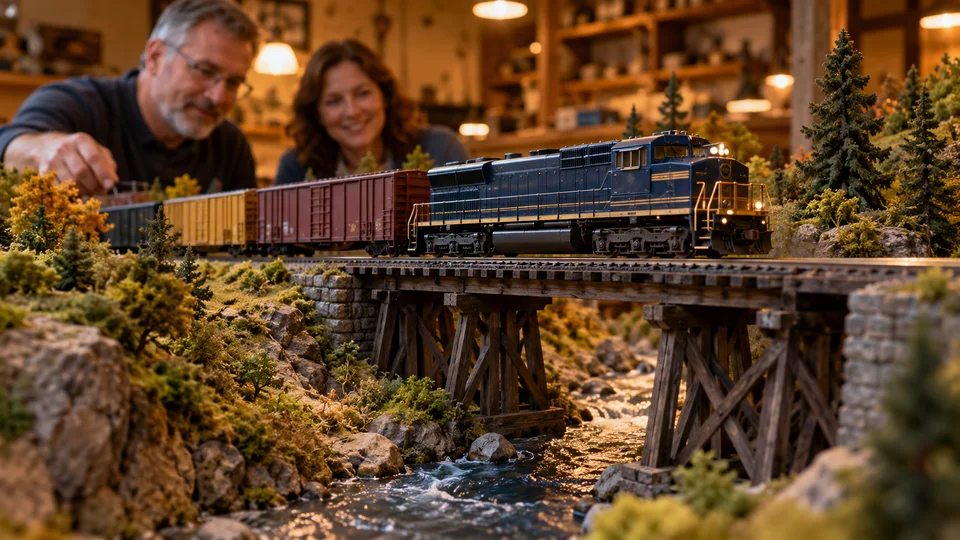
How to read a train show listing
What each part of a train show listing tells you, from dates and hours to venue, admission and source link, and what to confirm with the organizer before you go.
Read guide : How to read a train show listing