
The weekend field guide
How to read a train show listing
What each part of a train show listing tells you, from dates and hours to venue, admission and source link, and what to confirm with the organizer before you go.
A train show listing tells you the name and type of event, the dates, the venue, and, when the organizer's source states them, the public hours and admission. It also links to the organizer's own page so you can confirm the details. Read the listing as a starting point, then check the source before you travel.
This guide walks through each part of a listing on this directory, explains what is stated and what is not, and suggests what to ask the organizer. We do not guess at facts the source does not give, so a missing detail means unknown, not free or unavailable.
Name and type of event
The name and description show what kind of event it is. A train show may be a sale of equipment with tables from many dealers. A swap meet is usually a more informal buy, sell and trade event. An open house is when a club invites visitors to see its layout. Some events combine these.
Names do not always tell the whole story. A show called an expo may be mostly a sale, and a show called a meet may have layouts too. Read the description, and if it is brief, open the organizer's own page. Our organizer pages link to the organizer's website when it is known.
Dates and hours
Dates are as published by the source. Multi-day events list a start and an end. Public hours may differ from setup hours for sellers, and some events open earlier for paid early entry. If the source states hours, we show them. If it does not, treat them as unknown and ask.
Dates and hours can change. Weather, venue availability and organizer decisions all play a part, so check the organizer's page again close to the date. If the date on a listing looks different from the organizer's, tell us using the correction link.
Venue and address
The venue is where the event is held. If a listing has a venue name and address, you can check directions, parking and access. If the listing has only a city, the source did not publish a street address, and we do not guess. Confirm the location with the organizer before you travel.
Look at the venue pages to see other events at the same site. If you have mobility needs, check the organizer's information about access, seating and indoor or outdoor areas, and ask about anything you do not see.
Admission and parking
Admission and parking differ from show to show. Some are free, some charge an entrance fee and some charge more for early entry. Some are held at venues with free parking and some at venues with paid parking. When the source states admission, we show it. When it does not, we say it is not listed. That does not mean free.
Ask the organizer about children's admission, group rates, advance tickets and whether the entry fee covers all days. Ask about parking if you are bringing a large load of items to sell or buy.
Source link and verification
Each listing links to its source, which is the page where the information came from. This lets you check it yourself and reach the organizer. Listings carry a verification status that reflects how the data was checked. See how we verify listings for what that means.
If something looks wrong, use the correction link and include a public source. An operator reviews each correction. If you run a show and it is missing, you can submit a show.
What a listing cannot tell you
A listing is a summary, not a promise. It cannot tell you how crowded a show will be, which dealers will attend or whether a particular item will be for sale. It does not guarantee that every table is open for the full hours. For details like these, the organizer is the best source, and past visitors can be helpful too.
Treat unusual claims with care. If a listing says a show is the largest of its kind, check what the organizer says and decide for yourself. We list what the source states and link to it, rather than adding claims of our own. That is why some listings are short: the source did not say more, and we do not fill gaps with guesses.
Questions worth asking the organizer
Useful questions include whether the event is mainly for the public or for dealers, whether there is a test track, whether children are welcome, whether there is food on site, and how to reach a seller table. A short email or call a few days before the event can save you a wasted trip.
Using the listing to plan
Use the state pages to see what is on near you and the this-weekend page to find events in the next few days. Save the date, confirm it with the organizer and plan your trip. If you plan to sell, read the listing for the organizer's contact details and ask about tables. Our guide on selling at a train show explains what to settle first.
Frequently asked questions
Why does a listing lack an address?
The source did not publish one, and we do not guess. Ask the organizer for the location.
What does a source link mean?
It shows where the information came from, so you can check it and contact the organizer.
Are listings checked?
Listings carry a verification status. See the how we verify page for what that means.
How do I report an error?
Use the correction link on the listing, with a public source if you have one.
Does a missing admission price mean the event is free?
No. It means the source did not state it. Ask the organizer.
Can I get alerts for new shows?
Each state page offers a calendar feed you can subscribe to.
Put your plan into motion
Find your next show.
Use the listing's official source to confirm the latest dates, public hours and entry rules.
Find shows in this directoryKeep planning
More useful guides
Planning your first show: a visitor checklist
Choose a show that suits your interests, confirm the practical details and keep the organizer’s information handy before you travel.
Read guide : Planning your first show: a visitor checklist
Preparing to sell at a model train show: a seller checklist
Confirm your seller application, table equipment, setup time and organizer terms before booking a place at a model train show.
Read guide : Preparing to sell at a model train show: a seller checklist
Selling at a train show: a table-holder guide
How to sell at a model train show: confirm table terms, sort stock by scale, describe condition honestly, test items and price for modelers and collectors.
Read guide : Selling at a train show: a table-holder guide
Model train scales and gauges explained
A plain-language guide to model train scales and gauges, why they matter at a train show, how to tell them apart and how to avoid buying the wrong size.
Read guide : Model train scales and gauges explained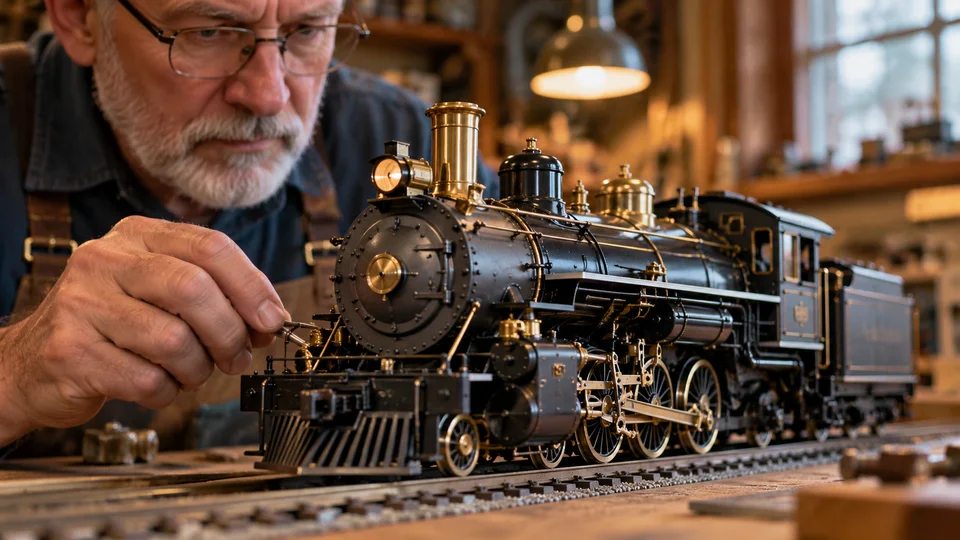
Train clubs and associations: how they fit with train shows
How model railroad clubs and train collector groups use train shows, what visitors can learn from them and what to ask before you join or visit a layout.
Read guide : Train clubs and associations: how they fit with train shows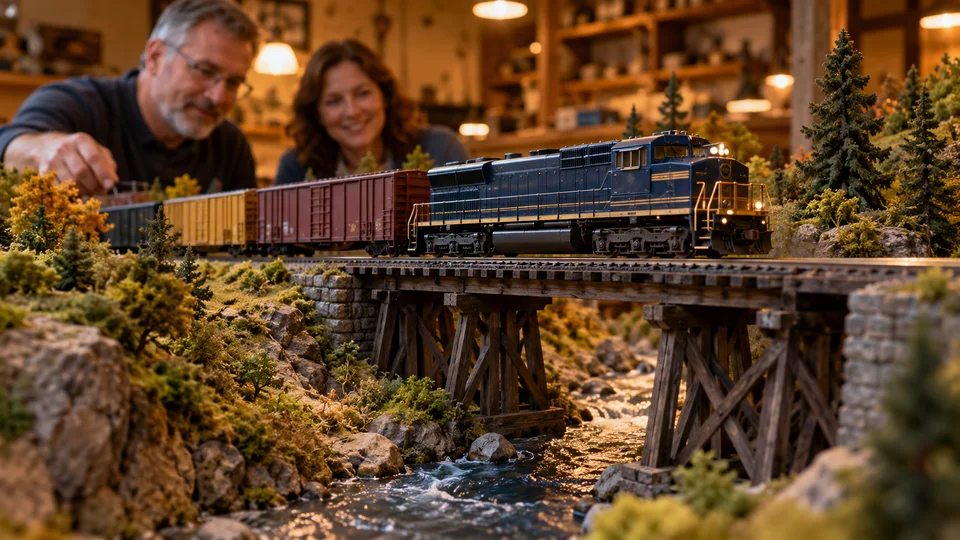
Train swap meet etiquette for buyers and sellers
Simple habits that make a train swap meet pleasant for buyers and sellers: asking before you handle, fair haggling, clear aisles, tidy tables and packing up.
Read guide : Train swap meet etiquette for buyers and sellers